

By Dede Stratton
Sensory Overload in Public Spaces
Public spaces can feel demanding for many reasons. A supermarket may have bright lighting and constant background noise. Airports add queues, security checks, and sudden delays. Hospitals can feel even more intense. For some people, these details remain manageable. For others, they quickly become overwhelming. And that difference is not always visible. As a result, sensory overload often goes misunderstood in public spaces. People may notice someone leaving, freezing, or becoming distressed. Yet they may not notice what happened beforehand. This matters because sensory differences affect a large population. Around 62 million people worldwide are autistic. In the United States, autism affects about 1 in 31 eight-year-olds. However, sensory overload can also affect people without autism. Better understanding can make public spaces calmer, safer, and more welcoming for everyone.
What Does Sensory Overload Feel Like?
Sensory processing helps the brain organize information from the body and surroundings. This includes sound, light, touch, smell, balance, and movement. Usually, the brain filters much of this information. During overload, that process becomes much harder. This is why sensory stress can affect daily life in ways others may not notice.
What can that feel like? Intense. A normal conversation may become difficult to follow. Fluorescent lighting may feel painful rather than simply bright. Background noise may become impossible to ignore. Some people also feel physically drained. Others struggle to make decisions or understand spoken instructions.
Sensory overload differs from general emotional overwhelm. Emotional overwhelm often comes from worry, conflict, or responsibility. Sensory overload comes from too much sensory information. Still, both experiences can happen together. Anxiety may also increase when someone cannot leave. However, anxiety and sensory overload are not always the same.
What Are The Early Signs Of Sensory Overload?
Sensory overload does not always begin with visible distress. Often, smaller signs appear first.
Someone may show early signs such as:
- Becoming unusually quiet
- Giving shorter answers
- Covering their ears
- Narrowing their eyes
- Pacing
- Avoiding physical contact
Concentration can also become much harder. At times, the person may stop responding. This does not always mean they are ignoring someone. Speaking may require more effort than they can manage.
The signs differ from person to person. One individual may struggle mainly with sound. Another may react more strongly to lighting or movement.
Some people also hide their discomfort. Why? Because previous reactions may have brought criticism. Learning to manage anger and recognize the deeper issues behind it can help people see distress more clearly. It can also help them respond to triggering situations calmly. This kind of masking can make sensory distress harder to recognize. Therefore, a calm appearance does not always mean someone feels comfortable. Distress may appear later, after the person reaches a safer place.
Why Can Public Spaces Become Overwhelming?
Public spaces rarely contain only one sensory trigger. Usually, several demands happen together.
Consider a busy train station. Announcements may repeat while crowds move in several directions. Nearby brakes and alarms add more pressure. At the same time, passengers must read updates and find the correct platform. They may also need to react quickly.
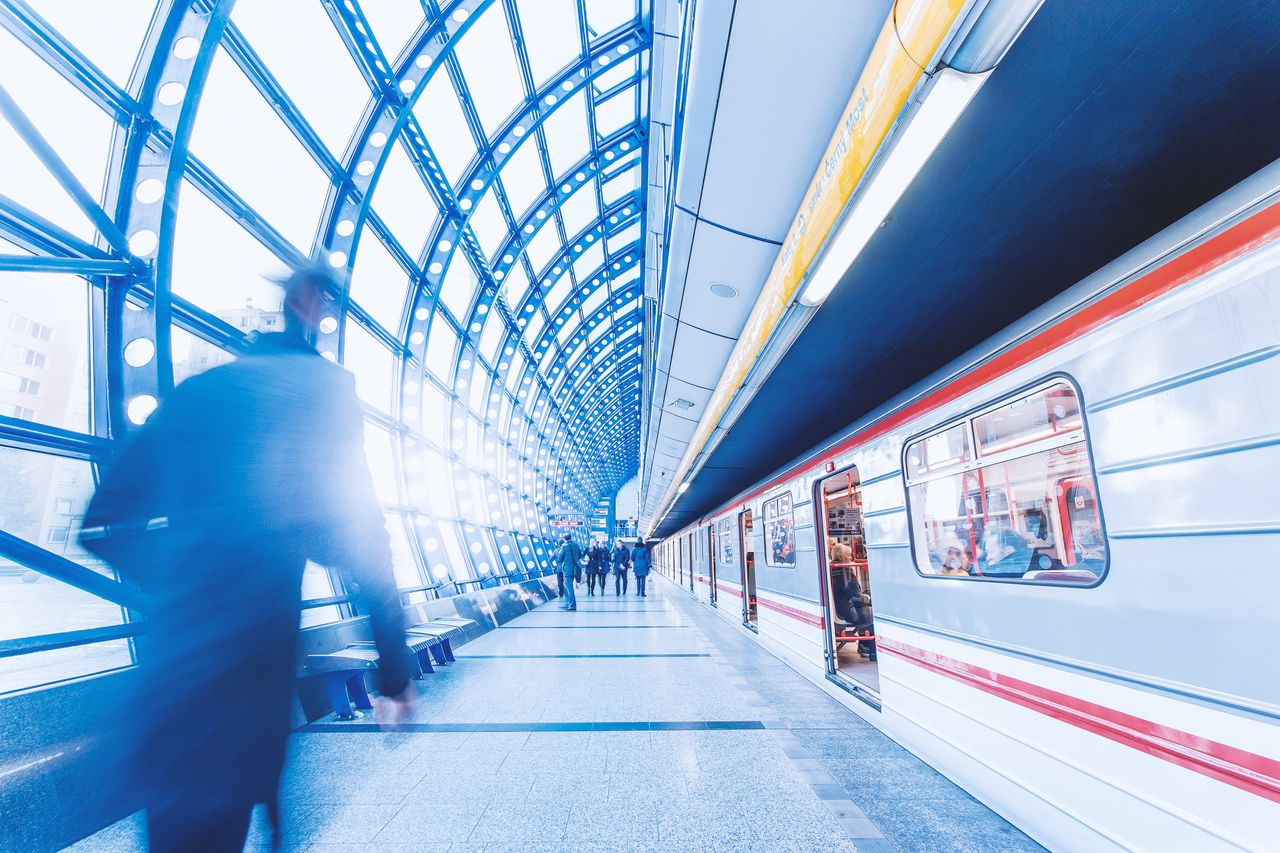
That is a lot to process. Sensory tolerance also changes throughout the day. Poor sleep can reduce resilience. Hunger, pain, illness, or stress can do the same. Because of this, a small sound may cause a strong reaction later. Was that sound really the whole problem? Probably not.
It may have been the final demand after hours of strain. Over time, that pressure can contribute to social and sensory burnout. Hospitals can create similar difficulties. Bright lighting and alarms often continue for long periods. Unfamiliar touch and long waits may add further stress.
Why Do People Mistake Sensory Overload For Bad Behavior?
Most observers see the reaction, not the build-up. A person may leave suddenly or reject assistance. Someone else may pace, cry, or stop speaking. Without context, these actions may look rude or dramatic. However, sensory reactions are not usually deliberate.
Overload can sometimes lead to a meltdown or shutdown. A meltdown is an intense response when demands become unmanageable.
A shutdown looks different. The person may become silent, still, or withdrawn. Their movement may slow, and speech may disappear.
Neither response is the same as a planned tantrum. This distinction matters. A tantrum usually aims to achieve a result. A meltdown or shutdown reflects lost capacity. Adults experience these responses too. They are not limited to children. What looks unusual from the outside may reflect a genuine neurological difference.
Can Sensory Overload Affect People Without Autism?
Yes. Sensory overload has a strong connection with autism. However, it is not exclusive to autism.
Researchers also study sensory differences in ADHD and anxiety. Similar patterns can appear with obsessive-compulsive disorder or tic disorders. Children without a developmental diagnosis may also experience strong sensory reactions.
One large study included 11,210 children aged 9 to 12. It found sensory over-responsivity across several diagnostic groups. Stronger reactions also appeared alongside greater emotional difficulty.
However, sensory overload alone does not confirm any diagnosis. Autistic people also do not share one sensory profile. Some are highly sensitive to certain sounds. Others may notice sensory information less strongly. Many experience a mixture. Context matters too. A person may manage a sound well one day. The next day, the same sound may feel unbearable. Stress and fatigue can change the experience significantly.
What Should People Do During Sensory Overload?
The most helpful response is usually simple: reduce pressure. Start by lowering nearby noise. Reduce movement around the person when possible. Softer lighting may also help. Then, speak calmly. Use short sentences and ask one question at a time.
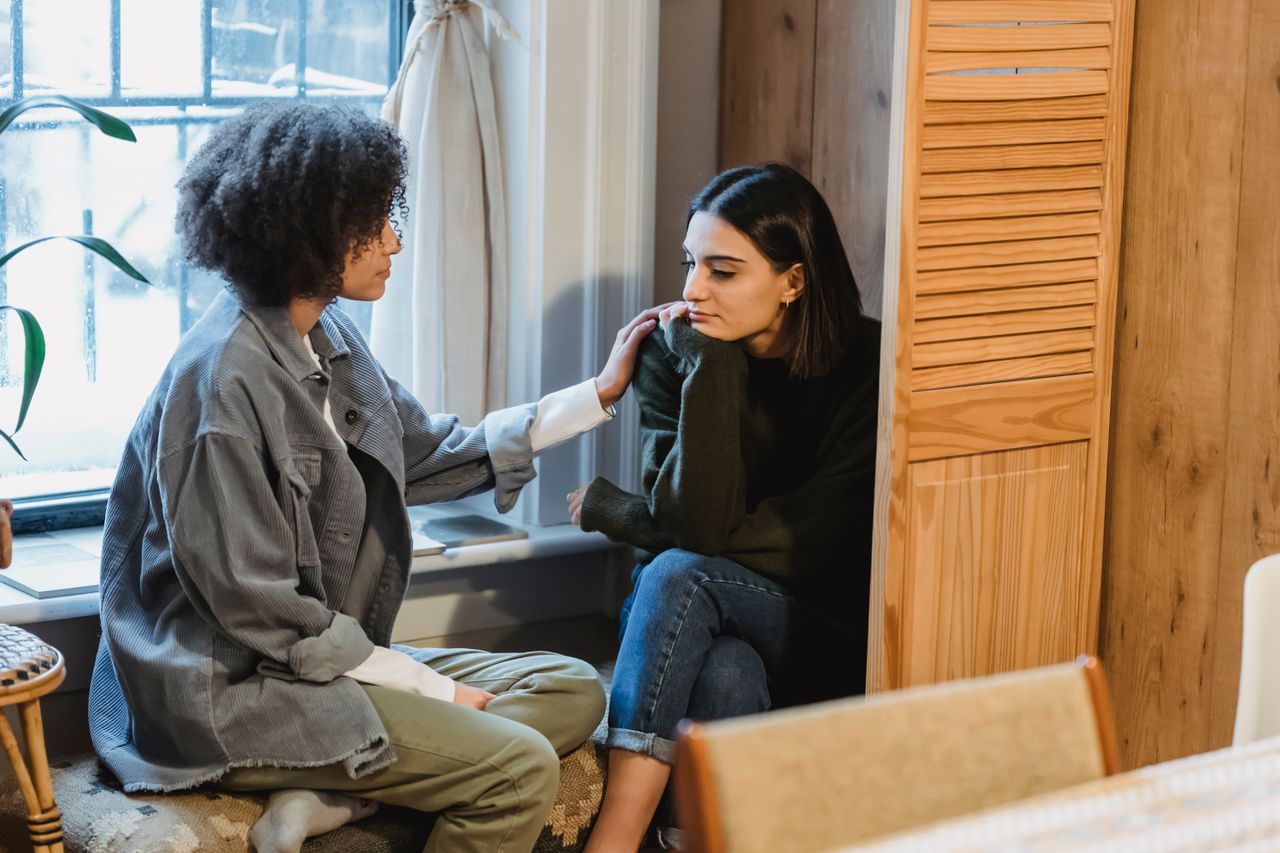
For example, you might ask, “Would you like somewhere quieter?”
After asking, wait. The person may need extra time to understand and respond.
Avoid actions that can increase pressure:
- Touching without permission
- Blocking the exit
- Surrounding the person with several helpers
- Demanding eye contact
- Removing sensory tools
Headphones may reduce background sound. Sunglasses can soften harsh light. Fidgets or communication cards may support regulation.
What if the person stays silent? Give them time. Silence is not always refusal. It may show that communication has become difficult.
How Can Someone Prepare For Sensory Overload In Public?
Preparation cannot prevent every episode. Still, it can make difficult situations easier.
- First, identify common triggers. Crowds may be one problem. Harsh lighting may be another. Some people struggle most with noise. Others find waiting or sudden changes more difficult.
- Visiting at quieter times can reduce several demands at once.
- Before traveling, check the route carefully. Look for places where you can pause. It also helps to know how to leave quickly.
- Sensory tools may offer extra support. Noise-reducing headphones can soften background sound. Tinted glasses or hats may reduce harsh lighting. A communication card may help when speech becomes difficult.
- A trusted companion can also provide support. They may help with directions or unexpected changes. However, support should follow the person’s preferences.
Planning recovery time matters too. After a demanding event, someone may need quiet and rest.
How Can Public Spaces Provide Better Sensory Support?
Organizations can reduce sensory barriers before a crisis happens. Clear information is a strong starting point. Websites can explain lighting levels and background noise. They can also describe busy periods and available quiet areas.
Inside the space, clear signs can reduce confusion. Flexible queues can help people avoid crowded waiting areas. Short breaks should also be easier. Simple re-entry policies can make that possible. Quiet shopping hours can help as well. During these periods, businesses may lower music and reduce announcements. Softer lighting may also create a calmer setting.
Staff training matters too. Employees should understand sensory overload and communication differences. Written or digital communication options can also help. Not everyone can speak easily during distress. Creating safe recovery spaces for neurodivergent people can make public environments more accessible. These changes support many people. They may help autistic visitors, older adults, or people with migraines. They can also benefit someone recovering from illness. Better access rarely helps only one group.
How Can Better Understanding Change Public Spaces?
Sensory overload becomes easier to understand when we look beyond the final reaction. A sudden exit may follow hours of noise. Silence may reflect lost communication capacity. A meltdown may follow many smaller demands. That context changes everything. Most importantly, people should not need to prove their distress before receiving respect. Sensory overload often goes misunderstood because the cause may remain hidden. Yet the experience is real, and the need for support is valid. When public spaces respond with patience and practical adjustments, more people can participate safely.