Skip to content
Our Programs
Close Our Programs
Open Our Programs
Our Programs
Discover how we support neurodivergent individuals through mentorships, advocacy and community-driven events
Mentorship Program
Speaker Bureau
Media Library
Close Media Library
Open Media Library
Media Library
Discover inspiring podcasts, videos, and stories that educate, empower, and celebrate every brain.
Podcasts
Spectrumly Speaking
ADHD Power Tools
Videos
Exploring Different Brains
Week in Neurodiversity
Free Webinars
Free Documentary
Articles
Resources
About Us
Close About Us
Open About Us
About Us
OUR MISSION & VISION
MEET OUR FOUNDER
OUR TEAM
Shop
Close Shop
Open Shop
Shop
Cart
Checkout
Contact
Close Contact
Open Contact
Search
Donate
Search
Our Programs
Mentorship Programs
Speakers Bureau
Media Library
Podcasts
Spectrumly Speaking Page
ADHD Power Tools Page
Videos
Week In Neurodiversity Page
Exploring Different Brains Page
Free Documentary Page
Free Webinars Page
Articles
About Us
Resources Page
Shop Page
Contact
Donate
Login
Signup
Category: Blog
Blog
Asperger's syndrome
,
Autism
,
Neurodiversity
June 30, 2017
5:15 pm
Living With a Sibling That Has Asperger’s Syndrome
In her first blog for Different Brains, Brooke Segal discusses growing up with a...
Brooke Segal
Read More
Blog
Epilepsy
,
Neurodiversity
June 26, 2017
5:35 pm
Staying Strong with Epilepsy
Epilepsy advocate Tom McGranahan, Jr. discusses the importance staying strong and persevering despite having...
Tom McGranahan Jr
Read More
Blog
Asperger's Syndrome (ASD)
,
Autism
,
Neurodiversity
June 22, 2017
12:58 pm
Normal Challenges, With A Twist Of Autism: Growing Up On The Spectrum
Eryn Segal highlights the day to day challenges she faces as a young woman...
Eryn Segal
Read More
Blog
Autism
,
Neurodiversity
June 16, 2017
3:04 pm
Exploring Alternative Routes to Meaningful Income for Adults with Autism
Nick Venturella of AutismHR.com discusses how the "gig economy" can present income and experience...
Nick Venturella
Read More
Blog
Neurodiversity
,
parkinson's
June 14, 2017
11:16 am
Rock Steady Boxing: Knocking Parkinson’s Disease Down for the Count
Steve Dinnen reports on Rock Steady Boxing - a growing chain of gyms dedicated...
Steven Dinnen
Read More
Blog
Asperger's Syndrome (ASD)
,
Autism
,
neurodiversuty
June 9, 2017
5:29 pm
Asperger’s and Hyperinterests: Finding Your Strengths on the Autism Spectrum
Aaron Bouma, diagnosed with Asperger's at 12 and now an advocate in Canada, discusses...
Aaron Bouma
Read More
Blog
Neurodiversity
June 6, 2017
1:09 pm
Changing the Educational System for the Good of Different Brains
Bob Sornson, Ph.D. discusses the flaws in the educational system that can cause neurodiverse...
Bob Sornson, Ph.D.
Read More
Blog
codependency
,
Neurodiversity
June 1, 2017
8:56 pm
Trauma, PTSD, and Codependency: How Life Experiences Affect Our Relationships
Darlene Lancer explores trauma's influence on relationships, and the connection between codependency and PTSD....
Darlene Lancer
Read More
Blog
May 28, 2017
3:36 pm
Navigating Society With a Hearing Impairment
Alina Pacheco discusses growing up with a hearing impairment, and navigating the social difficulties...
Alina Pacheco
Read More
Blog
Autism
,
Neurodiversity
May 25, 2017
3:36 pm
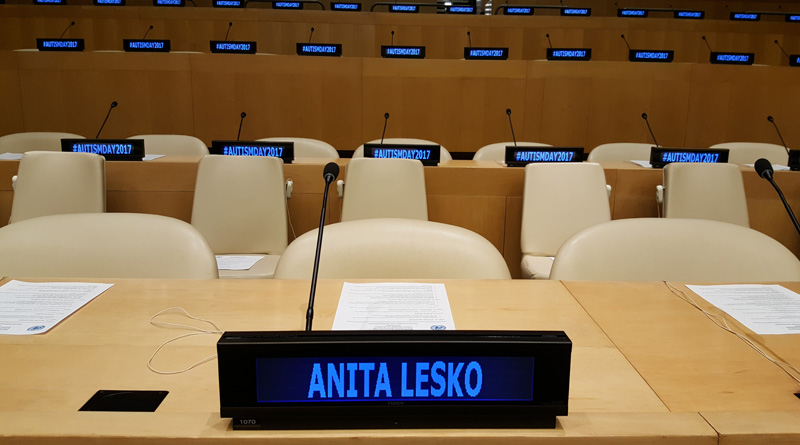
What I Learned at the United Nations on World Autism Awareness Day
Advocate Anita Lesko describes the experience of addressing the United Nations on World Autism...
Anita Lesko
Read More
Blog
apraxia
,
Autism
,
Neurodiversity
May 19, 2017
11:39 am
Autism and Speech Apraxia: Do Language Challenges Influence Behavior?
Dr. Brian Udell discusses a surprising new study that suggests there is no correlation...
Brian Udell, M.D.
Read More
Blog
Neurodiversity
May 16, 2017
3:17 pm
Different Brains and the Bottom Line: The Corporate and Social Value of Neurodiversity
Ira Bedzow discusses the benefits of integrating neurodiverse individuals into corporate environments, and how...
Ira Bedzow
Read More
Blog
Neurodiversity
May 10, 2017
4:31 pm
A Mother’s Day Shout Out To Special Needs Moms
Mari Nosal, M.Ed. reflects on the sacrifice of special needs parents, and on the...
Mari Nosal, M.Ed
Read More
Blog
Autism
,
Neurodiversity
May 7, 2017
5:30 pm
What My Autism “Looks Like”: Differences and Similarities Across the Spectrum
Eric Zimmerman discusses the variations of interests and skills of people on the spectrum,...
Eric Zimmerman
Read More
Blog
Asperger's syndrome
,
Autism
,
Neurodiversity
May 2, 2017
7:53 pm
Coding Autism: Helping People on the Spectrum Find Employment and Develop Skills
Oliver Thornton discusses his own diagnosis with Asperger's syndrome, and how he hopes his...
Oliver Thornton
Read More
Blog
Neurodiversity
,
tbi
,
traumatic brain injury
April 28, 2017
4:41 pm
Life After a TBI: The Invisible Challenges of an Invisible Disability
David A. Grant discusses invisible disabilities, and relays two stories about every day challenges...
David Grant
Read More
Blog
Asperger's syndrome
,
Autism
,
Neurodiversity
April 23, 2017
4:49 pm
Bottoms-Up: The Innovative Thinking Style of the Asperger’s Mind
Samantha Craft discusses the concept of "bottom up" processing, which is common amongst people...
Marcelle Ciampi
Read More
Blog
Neurodiversity
April 20, 2017
1:30 pm
Neurodiversity and Fitness: The Value in Exercise for Different Brains
Steven Dinnen discusses the importance of exercise for anyone that may have a different...
Steven Dinnen
Read More
Blog
Asperger's syndrome
,
Autism
,
Neurodiversity
April 18, 2017
3:59 pm
Autism and ABA: What is Applied Behavior Analysis?
Rebecca Womack discusses what applied behavior analysis therapy is, and how it could be...
Rebecca Womack
Read More
Blog
Asperger's syndrome
,
Autism
,
Neurodiversity
April 13, 2017
6:00 pm
Living In a World with Autism When You Don’t Know You Have It
Eryn Segal discusses life before and after her diagnosis with autism, and the social...
Eryn Segal
Read More
Blog
ADHD
,
Dyslexia
,
Neurodiversity
April 9, 2017
4:04 pm
ADHD, Learning Challenges, and Life Changes: Finding a Better Way to Assess Different Brains
Tammy Elkon discusses how the journey through finding proper educational assistance for her son...
Tammy Elkon
Read More
Blog
Autism
,
Neurodiversity
April 6, 2017
12:57 pm
When Adults with Autism Face Difficult Life Change: 16 Supportive Actions
Jackie M. Marquette discusses the adversity that has touched the life of a close...
Jackie Marquette
Read More
Blog
insomnia
,
Neurodiversity
April 2, 2017
2:25 pm
Just the Essentials: Can Insomnia Be Relieved Through Aromatherapy?
Megan Baksh details her recent experiences using essential oils to relieve her insomnia, as...
Megan Baksh
Read More
Blog
March 30, 2017
1:06 pm
Medications and Different Brains: Ensuring Safe Prescription Use For Everyone
Lynn Harrelson, Pharm BS, FASCP discusses common problems related to taking medications, and offers...
Lynn Harrelson
Read More
Blog
ADHD
,
Neurodiversity
March 26, 2017
4:00 am
Is It a Behavior or Brain Problem? Neurological Deficits in Different Brains
Debbie Hampton discusses how what might look like impulsive, irresponsible, selfish, disorganized, or unmotivated...
Debbie Hampton
Read More
Blog
Autism
,
Neurodiversity
March 22, 2017
1:09 pm
Oh, The Things You Can Think! Working Together for People with Autism
Denise Resnik discusses the importance of creating supportive environments for people on the autism...
Denise Resnik
Read More
Blog
ASD
,
Asperger's syndrome
,
Autism
,
Neurodiversity
March 17, 2017
11:56 am
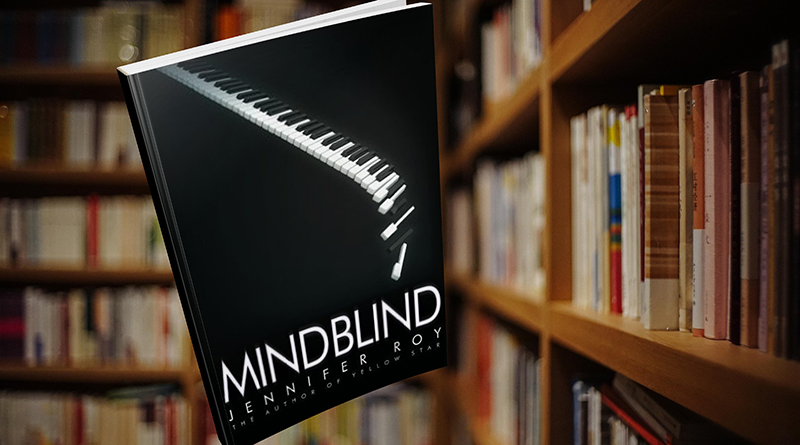
Neurodiversity in the Arts: “Mindblind” by Jennifer Roy
Donna Levin reviews Jennifer Roy’s
Mindblind
, a novel about a 14 year old boy...
Donna Levin
Read More
Blog
Neurodiversity
,
tbi
,
traumatic brain injury
March 15, 2017
4:41 pm
Living After Traumatic Brain Injury – The Evolution of Life as a Survivor
David A. Grant discusses the disruptive life changes caused by his brain injury, and...
David Grant
Read More
Blog
employment
,
Neurodiversity
March 9, 2017
4:36 pm
Paving the Path to Jobs and Vocational Success for Different Brains
Angela Mahoney, M.Ed. discusses the importance of developing vocational skills for those of us...
Angela Mahoney
Read More
Blog
Autism
,
Neurodiversity
March 8, 2017
1:16 am
Neuropsychology: The Map of the Head and the Benefits of Massage
Giuliana Fenwick discusses neuropsychology, maps out the various sections of the brain that play...
Giuliana Fenwick
Read More
Blog
ADHD
,
Neurodiversity
March 3, 2017
5:43 pm
Getting a Second Opinion on an ADHD Diagnosis
Julie Saumsiegle discusses the importance of getting second opinions and trying all avenues when...
Julie Saumsiegle
Read More
Blog
Alzheimer's Disease
,
Autism
,
insomnia
,
Neurodiversity
,
parkinson's
March 1, 2017
5:10 pm
Neurodiversity and Sleep: Tips for Helping Different Brains Rest
Dr. Ben Weinstock examines the common sleep problems related to neurodiverse conditions, and offers...
Ben Weinstock
Read More
Blog
Autism
,
Neurodiversity
February 26, 2017
7:14 pm
Bridges to Adelphi: A Model for Supporting College Students on the Autism Spectrum
Mitch Nagler discusses Bridges to Adelphi, and the model it has become for services...
Mitch Nagler
Read More
Blog
Epilepsy
,
Neurodiversity
February 21, 2017
10:20 pm
Telling Your Children You Have Epilepsy
Tom McGranahan Jr. discusses the challenge of a parent with epilepsy sharing their diagnoses...
Tom McGranahan Jr
Read More
Blog
ADHD
,
Neurodiversity
February 18, 2017
7:50 pm
The ADHD Parent: Comfort Levels and ADHD
Lacey Craddock discusses the challenges a child with a neurodiverse diagnoses can face while...
Lacey Craddock
Read More
Blog
Neurodiversity
February 12, 2017
6:23 pm
Medication’s Changing Use in Different Brains
Lynn Harrelson, Pharm. B.S., FASCP looks at how the interactions between patients and prescriptions...
Lynn Harrelson
Read More
Blog
ADHD
,
Neurodiversity
February 10, 2017
6:47 pm
The Adderall Debate – Life Before and After my ADHD Diagnosis
Roland Jung discusses his first year after receiving his ADHD diagnosis, and his ongoing...
Roland Jung
Read More
Blog
ADHD
,
Asperger's Syndrome (ASD)
,
Autism
,
Neurodiversity
,
ocd
February 7, 2017
4:47 pm
Understanding and Supporting Weaknesses in Executive Brain Functioning
Cheryl Checkers, M.S. outlines how weaknesses in the executive functions of the brain can...
Cheryl Checkers
Read More
Blog
Neurodiversity
,
tbi
,
traumatic brain injury
February 1, 2017
5:22 pm
Traumatic Brain Injury (TBI): Living with an Invisible Disability
In his first blog for Different Brains, David A. Grant tells the story of...
David Grant
Read More
Blog
ADHD
,
Neurodiversity
January 30, 2017
11:43 pm
Getting Assessed – Life Before and After my ADHD Diagnosis
Roland Jung continues the story of his personal journey with ADHD. In this installment,...
Roland Jung
Read More
Blog
Epilepsy
,
Neurodiversity
January 29, 2017
7:58 pm
Sharing the Challenges of Epilepsy
Tom McGranahan Jr discusses common misconceptions about how to help someone that is having...
Tom McGranahan Jr
Read More
Blog
ADHD
,
Neurodiversity
January 25, 2017
8:00 pm
Executive Brain Functions and their Link with the Neurodiverse
Giuliana Fenwick discusses the executive functions of the brain, and how she believes directed...
Giuliana Fenwick
Read More
Blog
Autism
,
Neurodiversity
January 20, 2017
3:48 pm
Reflections on Employment Issues for People with Autism, and Ways to Improve It
Rebecca Witonsky recounts her history as a woman on the autism spectrum seeking employment,...
Rebecca Witonsky
Read More
Blog
Autism
,
Neurodiversity
January 16, 2017
10:46 pm
Social Challenges for Women on the Autism Spectrum
Sarah Howard, a woman with autism who wasn't diagnosed until the age of 29,...
Sarah Howard
Read More
Blog
Autism
January 12, 2017
2:06 pm
More Big Steps for Individuals with Autism, Families, and Housing in 2017
Denise Resnik discusses First Place Arizona, and how their recent groundbreaking marks a personal...
Denise Resnik
Read More
Blog
ADHD
,
Neurodiversity
January 11, 2017
12:13 am
Just Keep Swimming: Life Before and After my ADHD Diagnosis
In the first part of his ongoing blog series, Roland E. Jung discusses life...
Roland Jung
Read More
Blog
Neurodiversity
January 5, 2017
4:07 pm
New Year, New Resolutions: Prescription Safety in 2017
Lynn Harrelson, Pharm. B.S., FASCP discusses the need for prescription safety, and taking precautions...
Lynn Harrelson
Read More
Blog
Alzheimer's Disease
,
apraxia
,
Asperger's Syndrome (ASD)
,
Autism
,
bipolar
,
misophonia
,
Neurodiversity
,
ocd
,
parkinson's
,
PTSD
December 31, 2016
1:17 pm
Defining Neurodiversity for 2017: It’s Different Brains
In our final blog of 2016, Different Brains founder Hackie Reitman, M.D. discusses the...
Harold Reitman, M.D.
Read More
Blog
Neurodiversity
December 26, 2016
9:37 pm
The Emotional Brain
Giuliana Fenwick discusses the amygdala, a part of the brain that rules emotion and...
Giuliana Fenwick
Read More
Blog
Autism
,
Neurodiversity
December 21, 2016
4:22 pm
Autism, Predictability, and the Desire for Interpersonal Relations
Eric Zimmerman discusses how a recent trip forced him to expand his horizons, and...
Eric Zimmerman
Read More
Blog
Neurodiversity
December 18, 2016
6:40 pm
Give Your Brain the Gift of Hearing for the Holidays
Audiologist Constance Metropulos discusses how some anxiety-inducing social misunderstandings can be avoided this holiday...
Constance Metropulos
Read More
Blog
Autism
,
Neurodiversity
December 15, 2016
12:35 pm
The Journey Through School and Work of One Young Woman with Autism
In her first blog for Different Brains, advocate Rebecca Witonsky tells the story of...
Rebecca Witonsky
Read More
Blog
Autism
,
Neurodiversity
December 9, 2016
1:03 pm
Autism / Independence – Do All You Can, While You Can
Amalia Starr tells of how the loss of Brandon, her son with autism, highlights...
Amalia Starr
Read More
Blog
Asperger's syndrome
,
Autism
,
Neurodiversity
December 4, 2016
7:04 pm
Twenty-five Effective Career Preparations that Promote Autism Spectrum Employment
Dr. Jackie M. Marquette discusses the challenges and methods of helping individuals on the...
Jackie Marquette
Read More
Blog
Neurodiversity
December 1, 2016
10:45 am
Neurodiversity In The Gut: The Enteric or Second Brain
Giuliana Fenwick discusses how the gut, also known as the enteric or second brain,...
Giuliana Fenwick
Read More
Blog
Neurodiversity
,
PTSD
November 28, 2016
12:04 pm
Tips And Resources For Veterans Suffering With PTSD
Julia Merrill presents tips and helpful resource links for veterans suffering with Post Traumatic...
Julia Merrill
Read More
Blog
Epilepsy
,
Neurodiversity
November 24, 2016
4:39 pm
Epilepsy In The Open
In this blog piece, Thomas J. McGranahan Jr discusses his personal struggles with epilepsy,...
Tom McGranahan Jr
Read More
Blog
Neurodiversity
November 17, 2016
5:43 pm
Toxic Stress and its Impact on Children
Dr. N’Quavah Velazquez of Achievement Heights Academy discusses the effect toxic stress can have...
N’Quavah Velazquez
Read More
Blog
Neurodiversity
November 16, 2016
9:27 pm
Courage Not Weakness: Accepting Support in the Differently-Abled Community
Disability advocate and champion J.R. Harding tells the story of how, after he became...
JR Harding
Read More
Blog
,
INTERVIEW
addiction
,
Neurodiversity
November 10, 2016
4:33 pm
Neurodiversity and Addiction: An Interview with Professor Bankole A. Johnson of HBO’s “Addiction” Series
In this special text-only interview, Dr. Hackie Reitman speaks with Dr. Bankole A. Johnson,...
Harold Reitman, M.D.
Read More
Blog
Neurodiversity
,
PTSD
,
Synesthesia
November 7, 2016
6:27 pm
Synesthesia, PTSD, and Chamber Music: A Concert to Celebrate the Benefits of Music for Therapy
From my own viewpoint as a performing musician, there is surely no better way...
Martha Summa
Read More
Blog
Autism
,
Neurodiversity
November 4, 2016
1:37 pm
SMILE Miracles: Don’t Underestimate Potential on the Autism Spectrum
After three years of operations, Rob & Denise Resnik offer their perspectives on the...
Denise Resnik
Read More
Blog
ADHD
,
Neurodiversity
November 1, 2016
11:08 am
“Drumming is My Madness”: How One Student Fought ADHD
In this excerpt from her book, Lori Bitar tells the story of how she...
Lori Bitar
Read More
Blog
insomnia
,
Neurodiversity
October 27, 2016
4:16 pm
Insomnia: A Personal Struggle
Megan Baksh details her struggles with insomnia, and how she tries to combat it....
Megan Baksh
Read More
Blog
Depression
,
Neurodiversity
,
PTSD
October 26, 2016
4:38 pm
Neurodiversity: No Two Brains Are Exactly Alike
Julie Saumsiegle discusses her viewpoint on the idea of neurodiversity, and why society needs...
Julie Saumsiegle
Read More
Blog
Autism
,
Neurodiversity
October 23, 2016
1:57 pm
Relief: Receiving an Autism Diagnosis as an Adult
Becca Lory discusses how her life changed when she received her autism diagnosis at...
Becca Lory
Read More
Blog
Asperger's syndrome
,
Autism
,
Neurodiversity
October 19, 2016
1:24 pm
Guilt: The Elephant In The Room of Special Needs Parents
Mari Nosal discusses the tendency of the parents of children with special needs to...
Mari Nosal, M.Ed
Read More
Blog
Asperger's Syndrome (ASD)
,
Autism
,
Neurodiversity
October 16, 2016
8:21 pm
Specialisterne: A Million Jobs for People with Autism and Other Unique Abilities
Cheryl Checkers discusses Specialisterne, an international company determined to create employment for the neurodiverse....
Cheryl Checkers
Read More
Blog
Asperger's Syndrome (ASD)
,
Autism
,
Down Syndrome
,
Neurodiversity
October 11, 2016
4:00 am
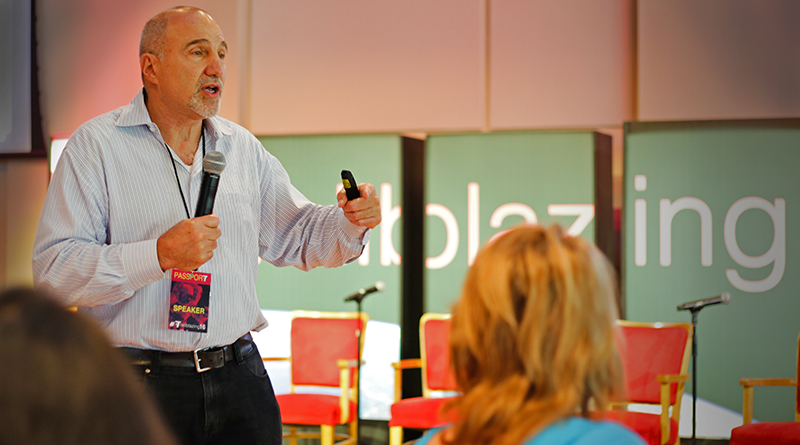
Trailblazing for Neurodiversity and Different Brains
Dr. Hackie Reitman discusses his experiences at Trailblazing 2016, a conference dedicated to encouraging...
Harold Reitman, M.D.
Read More
Blog
Autism
,
Neurodiversity
October 6, 2016
5:12 pm
The “a” Word: It Doesn’t Just Mean “Autism”
Donna Levin discusses
The a Word
, a British television series that recently debuted in...
Donna Levin
Read More
Blog
Neurodiversity
October 3, 2016
11:14 pm
Hormones, Massage Therapy, and The Neurodiverse
Giuliana Fenwick offers more tips and techniques to help ease neurodiverse symptoms using head...
Giuliana Fenwick
Read More
Blog
ADHD
,
Alzheimer's Disease
,
Asperger's Syndrome (ASD)
,
Autism
,
misophonia
,
Neurodiversity
,
parkinson's
September 30, 2016
10:43 am
Sensorimotor and Neurologically Based Music Therapy: An Interview with Dr. Dorita Berger
Dr. Jennifer Jo Brout speaks with Dr. Dorita Berger about the various benefits music...
Jennifer Brout
Read More
Blog
September 26, 2016
10:30 pm
Theory Of Mind: Challenges & Treatments Within Asperger’s & Autism
Mari Nosal discusses the "Theory of Mind," and examines some of the challenges related...
Mari Nosal, M.Ed
Read More
Blog
Autism
,
Neurodiversity
September 21, 2016
6:06 pm
Lost in translation – What I thought my son with autism didn’t understand
Linda Mastroianni discusses how her ways of communicating with her son, who has autism,...
Linda Mastroianni
Read More
Blog
Neurodiversity
September 16, 2016
3:54 pm
Why Kids Need To Earn An Allowance At A Young Age
As parents, we all want our kids to grow up to have a great...
Shawn Smith
Read More
Blog
September 11, 2016
1:38 pm
A Unique Social Skills Intervention for Children, Teens, and Adults with Social Challenges
Cheryl Checkers discusses a new intervention, developed at UCLA, being used to help those...
Cheryl Checkers
Read More
Blog
September 7, 2016
2:29 pm
Children On The Autism Spectrum Become Adults- Is Society Equipped?
Mari Nosal discusses the fear parents have of their children aging-out of the system,...
Mari Nosal, M.Ed
Read More
Blog
September 2, 2016
6:16 pm
Lessons Learned: Building the “Most Autism Friendly City in the World”
Community building is a process. It requires vision, passion, grit, resilience and an ability...
Denise Resnik
Read More
Blog
ADHD
,
Autism
,
Neurodiversity
August 30, 2016
12:51 pm
Simple Steps for Massaging Away Meltdowns in the Neurodiverse
Just a few simple massage techniques will bring someone back into the "parasympathetic" state...
Giuliana Fenwick
Read More
Blog
August 20, 2016
12:07 pm
Three Benefits of Teaching Authenticity to Children with Autism
Authenticity is one of the most beneficial skills any parent, therapist, or instructor can...
Toni Boucher
Read More